
Plan Your Trip
A good trip to Greece or Italy is as much about timing and logistics as it is about what you want to see. Here are practical pointers to help you plan—without overwhelming you with lists.
When to Go
Peak season (July–August) means sun, crowds, and higher prices. Spring (April–June) and early autumn (September–October) often offer better weather for walking and sightseeing, with fewer people and more comfortable temperatures. Winter suits cities like Athens and Rome; islands and coastal spots are quieter and some services may be limited.
Getting Around
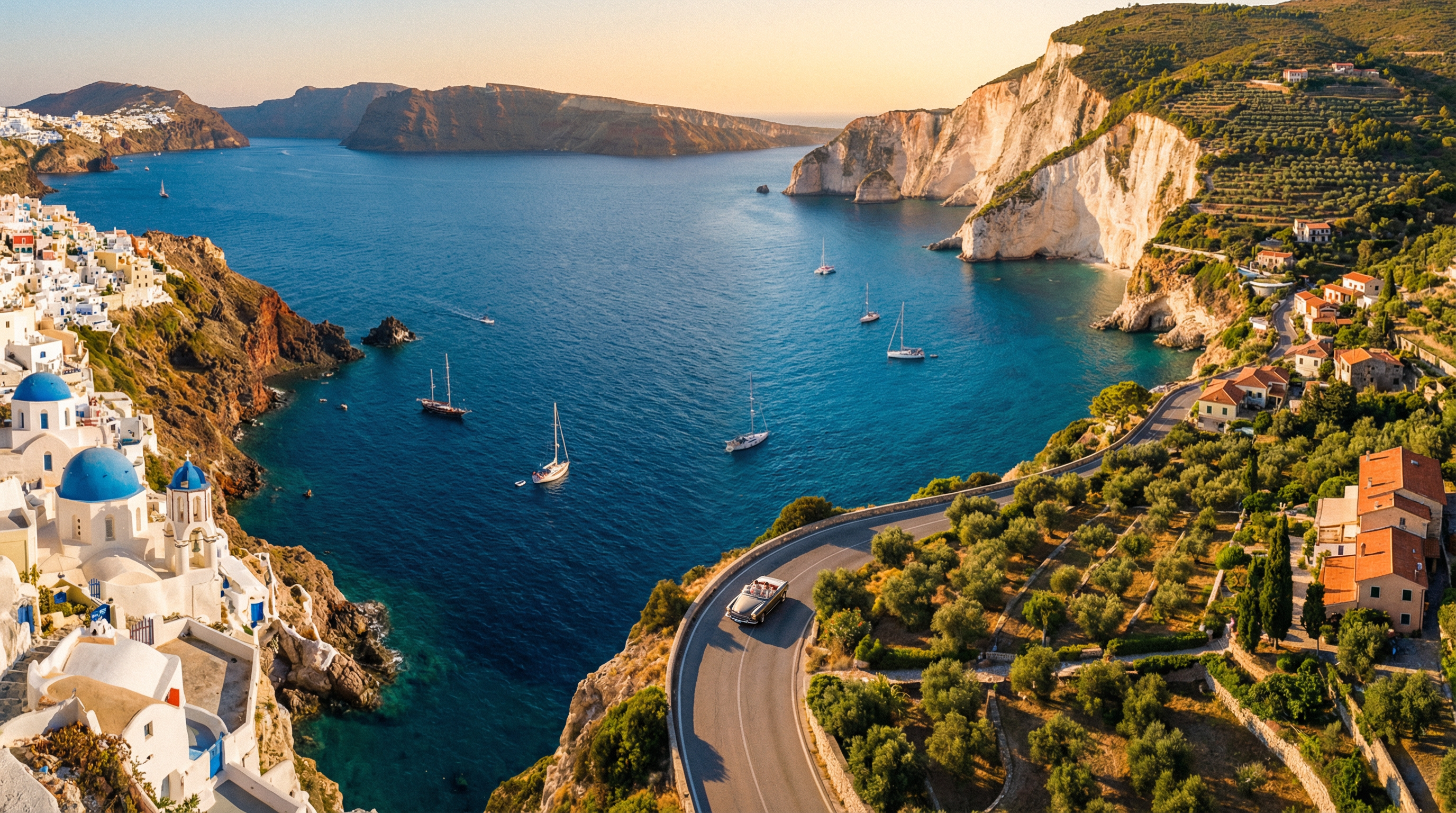
Both countries have solid train networks—Italy’s high-speed lines connect major cities; Greece’s trains are more limited but buses and ferries fill the gaps. For islands, book ferries in advance in summer. Renting a car makes sense for rural areas and coastlines; in historic centres, expect narrow streets and restricted zones.
What to Book Ahead
Popular sites—the Acropolis, the Colosseum, the Uffizi—sell out or have long queues. Booking online with a timed slot saves time and stress. The same goes for top restaurants and, in high season, ferries and key accommodation. For everything else, a bit of flexibility often pays off.
Money and Local Tips
Greece uses the euro; so does Italy. Cards are widely accepted in cities; cash is still useful in smaller towns and islands. Tipping is more modest than in North America—rounding up or leaving a few euros is standard. Learning a few phrases in Greek or Italian goes a long way; locals appreciate the effort.
For deeper dives into history, culture, and where to go, explore our History, Culture, Cuisine, and Destinations sections.
← Back to Home